NOW OPEN FurEver Veterinary Hospital 605 S Mason Rd, Katy, TX 77450 Now accepting appointments Book Now


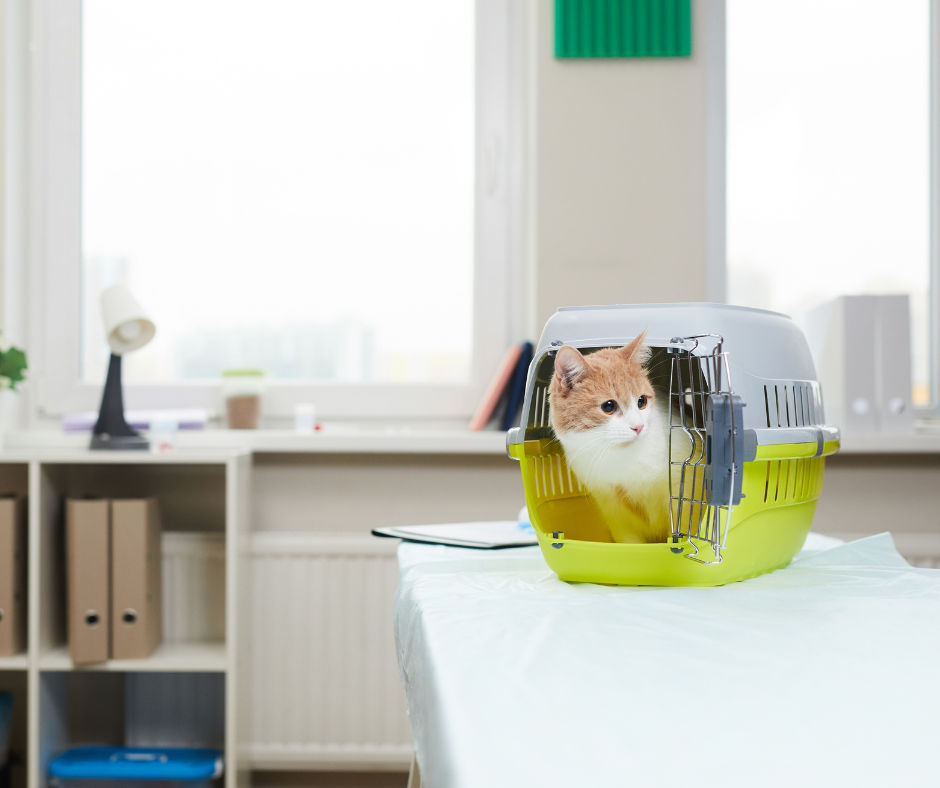
The summer travel season can sneak up quickly. One week, you are thinking about school ending, and the next, you are coordinating road trips, flights, boarding reservations, pet sitters, and long weekends away. For families in Katy, Texas, summer also brings heat, thunderstorms, hurricane season planning, and busy holiday weekends, all of which can affect pets more than we realize.
Whether your dog or cat is traveling with you or staying safely behind with a trusted caregiver, preparation matters. A pre-travel wellness visit is a smart way to confirm vaccines, update preventive care, check microchip information, and discuss any paperwork your pet may need before vacation season begins. At Circle B Veterinary Hospital, travel readiness is about helping pets stay safe, healthy, and comfortable, so your family can enjoy summer plans with more peace of mind.
A summer travel checkup gives your veterinarian a chance to make sure your pet is healthy enough for the plans ahead. Even if your pet seems perfectly normal at home, travel can reveal issues that are easy to overlook during regular routines. A dog with mild arthritis may struggle during long car rides. A cat with hidden dental pain may become more stressed when eating patterns change. A pet with skin irritation, ear inflammation, or digestive sensitivity may become uncomfortable while away from home.
During a wellness exam, your veterinarian can check your pet’s weight, heart and lungs, teeth and gums, ears, skin, mobility, and overall condition. This visit also gives you time to discuss travel logistics, medications, feeding plans, and any changes you have noticed. If your pet is older or has ongoing medical concerns, your veterinarian may recommend preventive screenings, such as bloodwork, heartworm testing, or a fecal exam, before travel or boarding.
The goal is not to complicate your vacation plans. It is to catch small concerns early, before they become stressful problems while you are away.
If your pet will be boarding, attending daycare, visiting a groomer, flying, or spending time around other animals, vaccines are an important part of travel readiness. Many boarding facilities require certain vaccines to be current before check-in, and some may require proof well in advance. Waiting until the last minute can create unnecessary stress, especially if your pet is overdue or needs time for immunity to build.
Your veterinarian can help determine which vaccines are appropriate based on your pet’s age, medical history, and lifestyle. A dog who boards during summer holidays may need a different protection plan than a dog who stays home with a sitter. Cats may also need vaccine updates depending on their environment and exposure risk.
A May or early summer appointment at Circle B Veterinary Hospital allows time to review records, update vaccines if needed, and make sure you have documentation ready before your trip. It is a simple step that can prevent last-minute scrambling and help protect your pet in shared environments.
Some travel requires more than vaccine records. If your pet is flying, crossing certain borders, or traveling internationally, they may need a health certificate. These documents confirm that your pet has been examined by a veterinarian and appears healthy for travel. Depending on the destination, requirements may also include specific vaccines, parasite treatments, testing, microchip verification, or paperwork completed within a strict time window.
International health certificates can be especially detailed, and every destination has its own rules. Some countries require steps to be completed weeks or months before travel, so it is important to begin planning early. Your veterinarian can help guide you through what may be needed, but pet owners should also confirm requirements with airlines, destinations, and any official travel resources well before departure.
If your travel plans involve leaving the country, do not wait until the week before your flight. Starting early gives you the best chance of completing each step correctly and avoiding delays.
Microchipping is one of the most important safety steps for traveling pets. A collar and tag are helpful, but collars can slip off or break. A microchip provides a permanent form of identification that can be scanned by a veterinary clinic or shelter if your pet becomes lost.
Before summer travel, make sure your pet’s microchip is registered, and your contact information is current. If you have moved, changed phone numbers, or adopted a pet with an existing chip, this is worth checking now. It is also smart to keep a recent photo of your pet on your phone and confirm that the collar tags are readable.
Preventive care also matters more during travel season. Pets may be exposed to mosquitoes, fleas, ticks, intestinal parasites, and unfamiliar environments. In Texas, heartworm, flea, and tick prevention should be consistent year-round, but summer travel increases the importance of staying on schedule. Your veterinarian can help confirm your pet’s dose is correct for their current weight and recommend parasite screening when needed.
Summer can be stressful for anxious pets. Boarding, car rides, unfamiliar places, fireworks, thunderstorms, and hurricane-season disruptions can all trigger fear or restlessness. Some dogs become anxious when boarded because of new sounds, new routines, separation from family, or being near unfamiliar animals. Cats may hide, stop eating, or become distressed when routines change.
If your pet has a history of anxiety, talk to your veterinarian before your trip. Anxiety medication may be helpful for some pets, especially during boarding stays, summer holidays, thunderstorms, fireworks, or hurricane preparation. Medication is not one-size-fits-all, and it should be chosen based on your pet’s health, behavior, and specific triggers. A trial dose before the stressful event can help ensure the plan is safe and effective.
Along with medication when appropriate, your veterinarian may recommend calming strategies such as familiar bedding, consistent feeding instructions, enrichment items, or creating a written care plan for boarding staff or pet sitters. Addressing anxiety early can make summer travel safer and more comfortable for everyone.
Summer travel should be exciting, not stressful. With the right preparation, you can reduce health risks, avoid last-minute paperwork problems, and help your pet feel more secure, whether they are traveling with you or staying in trusted care. Vaccines, preventive screenings, microchips, health certificates, parasite prevention, and anxiety planning all work together to support a safer season. If you are planning a trip, boarding stay, or summer holiday away from home, Circle B Veterinary Hospital is here to help. Schedule a pre-travel visit with our team in Katy, Texas, so we can review your pet’s vaccines, preventive care, microchip information, travel paperwork, and anxiety support needs before vacation season begins.