NOW OPEN FurEver Veterinary Hospital 605 S Mason Rd, Katy, TX 77450 Now accepting appointments Book Now


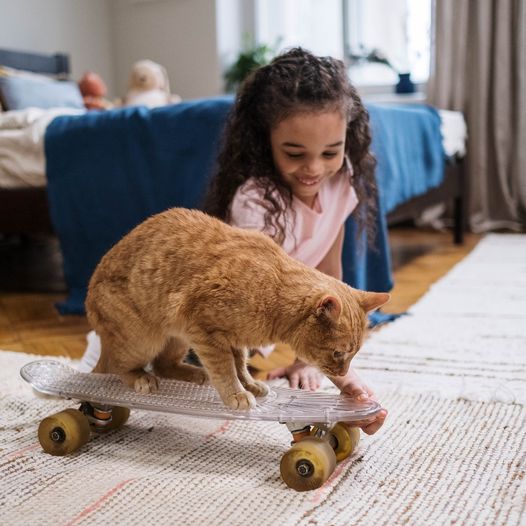
August often brings a major shift in household rhythm. Children return to school, adults settle back into busier workdays, and pets who enjoyed a full house all summer may suddenly spend more time alone. For some dogs and cats, that change is easy to handle. For others, it can trigger separation anxiety, restlessness, destructive behavior, excessive barking, or overgrooming.
Families in Katy, Texas, may also notice that late-summer heat limits outdoor activity, making routine changes feel even more dramatic for under-stimulated pets. At Circle B Veterinary Hospital, behavioral medicine can help families understand what is driving these changes and create a supportive plan that improves comfort and daily life for pets and people.
Pets are creatures of habit. They learn when the household wakes up, when meals happen, who is home during the day, and when play or attention usually arrives. During summer, many pets adjust to having children nearby, more visitors, later mornings, and a less predictable schedule. When school resumes, that social contact may disappear almost overnight.
A dog who had company all day may suddenly be left alone for several hours. A cat who enjoyed quiet attention in the afternoon may now experience an empty house followed by a burst of activity at the end of the day. These changes can create confusion, frustration, or fear, especially in pets who are naturally sensitive or already struggle with separation.
Behavior changes are not a sign that your pet is being stubborn or spiteful. They are often a way of communicating stress. Understanding that connection is the first step toward helping your pet adjust.
Some signs are obvious, such as chewing furniture or barking after the family leaves. Others are more subtle and may appear gradually. Dogs may pace, pant, whine, follow family members from room to room, or become overly excited when everyone returns home. Cats may hide, overgroom, stop using the litter box consistently, or become less social.
Common signs that deserve attention include:
These behaviors can overlap with medical concerns. Pain, urinary problems, digestive issues, skin disease, and cognitive changes may all affect behavior. That is why a veterinary evaluation is important when a behavior is new, worsening, or interfering with normal routines.
Socialization is not only for puppies and kittens. Adult and senior pets also benefit from positive interaction, mental stimulation, and safe exposure to everyday experiences. When the family schedule changes, it helps to replace some lost social time with structured activities that are realistic to maintain.
Dogs may benefit from morning sniff walks, short training sessions, food puzzles, or scheduled time with a trusted walker, sitter, or daycare program when appropriate. Cats often respond well to rotating toys, window perches, climbing areas, puzzle feeders, and brief play sessions before and after the school day.
The goal is not to keep your pet busy every minute. It is to create a predictable rhythm that gives them something to expect. A short walk before school, a food puzzle during the day, and calm play in the evening can make the new routine feel safer.
It is also helpful to practice independence before the schedule changes completely. Brief departures, calm greetings, and quiet resting periods can teach pets that being alone is temporary and safe. For pets with significant anxiety, however, simply leaving them alone longer may make fear worse. Those pets often need a gradual, personalized plan.
Behavioral medicine looks at the whole pet, including physical health, emotional triggers, environment, routine, and learned responses. At Circle B Veterinary Hospital, your veterinarian may ask when the behavior started, what happens before and after it, how long your pet is left alone, and whether similar anxiety appears during storms, boarding, travel, or household changes.
A supportive plan may include environmental changes, behavior modification, enrichment, and medication when appropriate. Some pets need only small adjustments to routine and activity. Others become so anxious that they cannot eat, rest, or respond to training when alone. In those cases, medication may reduce the intensity of fear so the pet can learn healthier coping skills.
Medication is not a punishment or shortcut. It is one possible tool within a broader plan, and it should be selected by a veterinarian based on your pet’s health and specific needs. Follow-up visits are also important because plans often need adjustment as the pet responds and the family routine evolves.
Mild restlessness during the first few days of a new schedule may improve as your pet adjusts. Veterinary support is recommended when behaviors are intense, worsen, or create safety concerns. Escape attempts, self-injury, severe destruction, repeated house-soiling, refusal to eat, or prolonged panic should never be ignored.
Early support can prevent anxiety from becoming more deeply established. It can also help families respond with compassion rather than punishment, which often increases fear.
If your dog or cat is struggling as your family returns to school routines, Circle B Veterinary Hospital is here to help. Schedule a behavioral medicine consultation with our team in Katy, Texas, so we can rule out medical concerns, identify your pet’s triggers, and create a practical plan for a calmer, more confident transition.