NOW OPEN FurEver Veterinary Hospital 605 S Mason Rd, Katy, TX 77450 Now accepting appointments Book Now


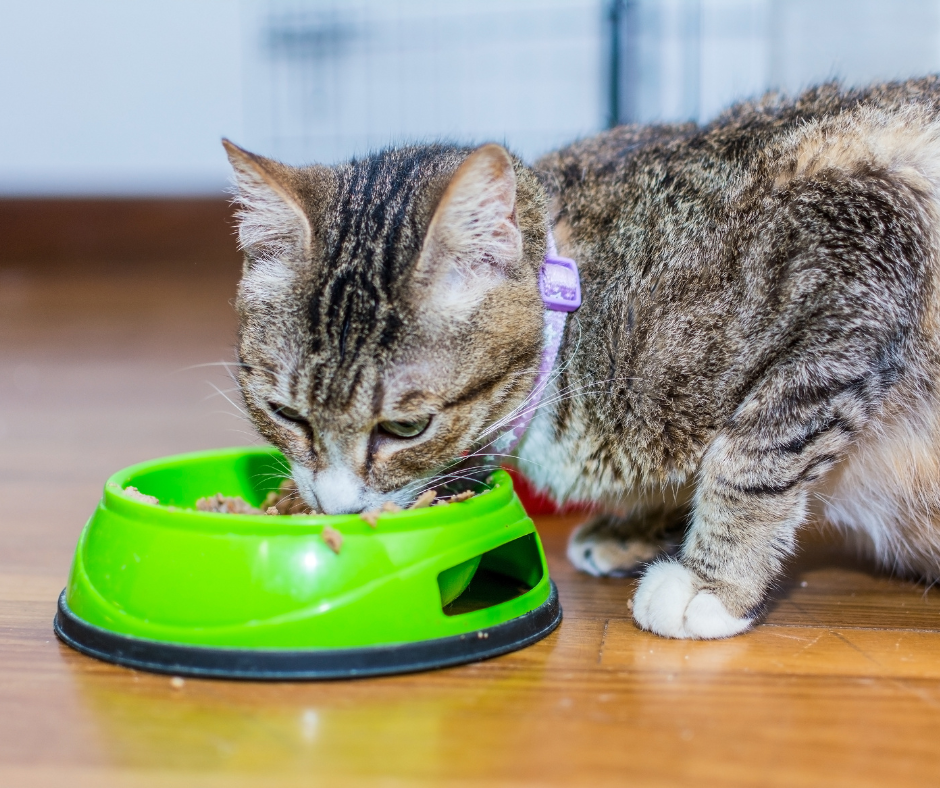
A healthy pet is not built by one big change. It is built through small daily habits: the right food, the right portions, regular movement, and routine veterinary guidance. For dogs and cats in Katy, Texas, diet and exercise can play a major role in energy, weight, mobility, digestion, and overall comfort, especially during the warmer months when outdoor activity needs to be planned carefully.
Many pet owners know their dog or cat should “eat well” and “stay active,” but it can be hard to know what that actually means. How much exercise is enough? How many treats are too many? Is your pet’s current food still the right fit? At Circle B Veterinary Hospital, wellness care includes helping families make realistic nutrition and activity choices that support each pet’s age, lifestyle, and health needs.
Nutrition and exercise are closely connected. Food provides the calories and nutrients your pet needs for energy, muscle maintenance, immune support, and daily function. Exercise helps us use that energy, maintain muscle tone, support joint health, and reduce boredom. When one side is out of balance, problems can develop gradually.
For example, a dog who eats the same amount but walks less during hot weather may begin gaining weight. A cat who free-feeds all day but rarely plays may lose muscle and become less mobile over time. On the other hand, a highly active dog may need a diet that supports their energy needs without upsetting their stomach.
The goal is not to create a strict or complicated plan. It is to find the right balance for your individual pet. That balance may change as your pet grows from puppy or kitten to adult, then eventually into their senior years.
Weight is one of the clearest indicators of whether diet and activity are working well together, but it can be surprisingly hard to judge at home. Gradual weight gain often happens slowly enough that families do not notice until a pet is significantly heavier. Even a few extra pounds can affect a pet’s joints, breathing, energy level, and long-term health.
During a wellness exam at Circle B Veterinary Hospital, your veterinary team can check your pet’s weight and body condition score. This helps determine whether your pet is underweight, overweight, or right where they should be. From there, your veterinarian can recommend realistic changes, such as adjusting portions, changing treats, increasing low-impact movement, or choosing a diet better suited to your pet’s needs.
A healthy weight can help reduce strain on joints, improve stamina, support heart and respiratory health, and make hot weather easier to tolerate. For senior pets or pets with arthritis, weight management can be one of the most powerful ways to improve comfort.
There is no single “best food” for every dog or cat. The right diet depends on your pet’s age, breed, size, activity level, medical history, and body condition. Puppies and kittens need nutrition that supports growth. Adult pets need a balanced maintenance diet. Senior pets may benefit from formulas that support mobility, digestion, or healthy weight.
Some pets also have special needs. A dog with itchy skin, recurring ear infections, or digestive upset may need a closer look at nutrition. A cat with urinary concerns or kidney changes may need a specific dietary approach. Pets with weight challenges may benefit from a calorie-controlled plan that still keeps them feeling satisfied.
Treats matter too. Many pets gain weight not because their meals are excessive, but because small extras add up. Table scraps, dental chews, training treats, and “just a bite” moments can quietly increase daily calories. Your veterinarian can help you choose treats that fit your pet’s plan without taking the joy out of rewarding them.
Exercise does not have to mean long runs or intense play. In fact, the best activity plan is one your pet can enjoy safely and consistently. For dogs, this may include walks, gentle fetch, training games, swimming when appropriate, or sniff-based enrichment. For cats, it may mean wand toys, climbing opportunities, puzzle feeders, or short play sessions throughout the day.
In Texas, heat safety matters. During warmer months, outdoor exercise should happen early in the morning or later in the evening, when pavement and air temperatures are safer. Shorter, more frequent walks may be better than one long outing. Pets should always have access to fresh water and time to cool down indoors.
Senior pets, overweight pets, flat-faced breeds, and pets with heart, respiratory, or joint concerns may need modified activity plans. That does not mean they should stop moving altogether. Gentle, appropriate exercise helps maintain muscle, mobility, and confidence. The key is choosing movement that supports the body rather than stressing it.
It is a good idea to talk with your veterinarian before making major changes to your pet’s diet or exercise routine, especially if your pet is overweight, senior, has a medical condition, or has recently become less active. Sudden weight gain, weight loss, low energy, limping, increased thirst, vomiting, diarrhea, or changes in appetite should always be discussed.
You may also want guidance if you are unsure how much to feed, whether your pet’s food is appropriate, or how to safely increase activity. A veterinary visit can help answer questions like:
These conversations are especially helpful because they turn general advice into a personalized plan. What works for one pet may not be right for another, and your veterinarian can help you avoid guesswork.
Diet and exercise are two of the most important pieces of lifelong pet health, but they do not have to feel overwhelming. With the right food, healthy portions, regular movement, and routine checkups, you can help your pet maintain energy, comfort, and quality of life through every stage. If you are wondering whether your pet’s diet, weight, or activity routine is on track, Circle B Veterinary Hospital is here to help. Schedule a wellness visit with our team in Katy, Texas, and let us create a practical plan that supports your pet’s health, one meal and one walk at a time.