NOW OPEN FurEver Veterinary Hospital 605 S Mason Rd, Katy, TX 77450 Now accepting appointments Book Now


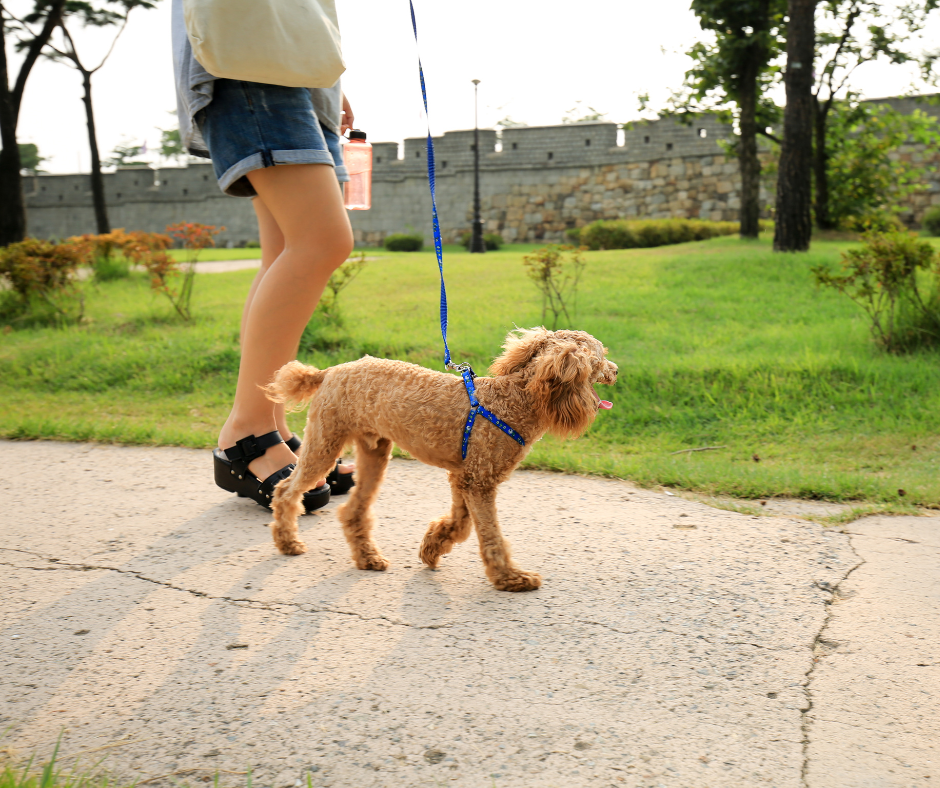
September and early fall can bring relief from intense summer heat in Katy, Texas. Cooler mornings may make walks more enjoyable, and many pets become more active as temperatures drop. For senior pets, however, a change in routine or weather can also make stiffness, arthritis, and chronic pain easier to notice. Your dog may take longer to get up after a nap, or your cat may hesitate before jumping onto a favorite chair.
These changes are often blamed on “just getting older,” but age is not a reason for a pet to live with untreated discomfort. At Circle B Veterinary Hospital, senior wellness care includes looking closely at mobility, weight, pain, and quality of life. By checking in before cooler weather arrives, families can build a supportive plan that helps older pets keep moving comfortably through fall.
Senior pets are experts at adjusting to gradual discomfort. A dog may stop running before developing an obvious limp. A cat may choose a lower sleeping spot rather than showing that jumping hurts. Because these changes happen slowly, families may not realize how much a pet’s routine has changed.
A senior wellness exam gives your veterinarian the opportunity to watch how your pet moves, feel the joints and muscles, evaluate body condition, and look for signs of pain or weakness. Your veterinarian can also ask about changes at home, such as difficulty with stairs, slipping on smooth floors, shorter walks, restlessness at night, or reluctance to be touched.
Sometimes mobility changes are related to arthritis, but other conditions can look similar. Injuries, spinal problems, muscle loss, or neurologic changes may affect movement. When needed, your veterinarian may recommend diagnostic testing or imaging to better understand the cause before creating a treatment plan.
Arthritis and chronic pain do not always cause dramatic crying or limping. Many senior pets continue eating, greeting their families, and following daily routines while quietly changing how they move.
Signs that deserve a conversation with your veterinarian include:
Cats can be particularly subtle. An older cat may stop using a tall cat tree, groom less effectively, or hesitate to enter a high-sided litter box. Those changes can be easy to mistake for normal aging, but they may reflect discomfort.
Addressing pain earlier can help protect mobility. When pets avoid movement because it hurts, they may lose muscle, gain weight, and become even less comfortable. Supporting movement safely can help interrupt that cycle.
There is no single arthritis treatment that works for every senior pet. Effective chronic pain management often combines several strategies based on diagnosis, age, lifestyle, and overall health. Your veterinarian may discuss veterinary-prescribed pain medication, joint support, controlled activity, home modifications, and therapies such as acupuncture or Class 4 laser therapy.
Acupuncture can be incorporated into a broader pain-management plan for some pets. The treatment stimulates specific points on the body and may be used to support comfort and mobility. Many pets tolerate sessions calmly, making it a useful option for seniors who need ongoing support.
Class 4 laser therapy is another non-invasive option available at Circle B Veterinary Hospital. Laser therapy delivers light energy to targeted tissues and may be used as part of a plan to address inflammation, discomfort, and healing. Your veterinarian can determine whether laser therapy is appropriate for your pet’s condition.
The goal is not to make an older pet behave like a puppy or kitten again. It is to reduce discomfort so they can continue participating in activities they enjoy.
Healthy weight becomes especially important as pets age. Extra pounds place additional stress on joints already affected by arthritis. Even modest weight loss in an overweight pet can reduce the work required for standing, walking, climbing stairs, and getting comfortable.
During a senior wellness visit, your veterinary team can evaluate body condition and muscle mass, review feeding amounts, and determine whether your pet’s current diet still matches their needs. Senior pets may become less active while continuing to eat the same portions they received when younger, allowing gradual weight gain to go unnoticed.
Mobility support also continues at home. Rugs or runners can improve traction, ramps can reduce repeated jumping, and supportive bedding can make rest more comfortable. Cats may benefit from lower-entry litter boxes and easier routes to favorite resting places. Dogs with arthritis may do better with shorter, more frequent walks rather than one long outing.
Regular, controlled movement can support muscle strength and joint function. The right amount depends on your pet’s condition, so your veterinarian can help balance activity with rest.
Growing older does not mean your pet has to give up the routines they love. With early recognition of mobility changes and a personalized plan, many senior dogs and cats can remain active, engaged, and comfortable well into their later years.
If you have noticed stiffness, slower movement, difficulty jumping, or other changes in your senior pet, Circle B Veterinary Hospital is here to help. Schedule a senior wellness and mobility evaluation with our team in Katy, Texas, before cooler weather arrives. Together, we can discuss weight management, chronic pain support, acupuncture, Class 4 laser therapy, and practical home changes that can help your pet enjoy fall more comfortably.