NOW OPEN FurEver Veterinary Hospital 605 S Mason Rd, Katy, TX 77450 Now accepting appointments Book Now


Spaying and neutering are familiar veterinary procedures, but they also come with plenty of questions. Will my pet’s personality change? Does a female need to have one litter first? Will neutering automatically stop every unwanted behavior? And when is the right age to schedule surgery?
For families in Katy, Texas, clear information makes these decisions easier. At Circle B Veterinary Hospital, spay and neuter recommendations are based on the individual pet rather than a one-size-fits-all rule. For male pets, Circle B Veterinary Hospital generally recommends neutering between six months and one year of age, while timing should still consider breed, size, health, and development.
Understanding what these procedures do, and what they do not do, can help pet owners make confident choices about long-term health.
The most obvious benefit of spaying and neutering is preventing unintended litters, but the health benefits extend beyond reproduction. Spaying prevents uterine infections such as pyometra and eliminates the possibility of pregnancy. It can also reduce the risk of certain reproductive diseases.
Neutering removes the testicles, eliminating the risk of testicular cancer. It may also reduce some hormone-driven behaviors such as roaming, mounting, urine marking, or competition with other males. These changes are not guaranteed, because behavior is influenced by learning, environment, temperament, and socialization as well as hormones.
Preventing accidental breeding also has practical benefits. Pets may escape yards, slip through doors, or encounter intact animals even when families do not plan to breed them.
One common concern is that surgery will turn an energetic, affectionate pet into a completely different animal. Spaying or neutering does not erase your pet’s personality. A playful dog can still be playful, and a cuddly cat can still seek attention.
What may change are behaviors strongly influenced by reproductive hormones. Some pets may roam less, mark less frequently, or become less driven to seek a mate. Those changes are different from changing the pet’s core temperament.
It is also important to remember that surgery is not a behavioral cure-all. A dog who barks at strangers, pulls on the leash, guards resources, or experiences anxiety will not necessarily stop those behaviors after being neutered. Training, socialization, enrichment, and behavioral medicine may still be needed.
There is no general health requirement that a female dog or cat have a litter before being spayed. Pregnancy and delivery come with physical risks, and raising a litter requires significant time, planning, veterinary care, and resources.
The ideal timing of a spay can vary. Age, breed, expected adult size, medical history, and lifestyle may all influence the recommendation. That is why it is better to discuss timing with your veterinarian than follow a blanket rule from friends, social media, or outdated advice.
At Circle B Veterinary Hospital, these conversations can happen during puppy or kitten wellness visits. Your veterinarian can monitor growth, review vaccination status, discuss development, and help decide when surgery makes sense for your pet.
Neutering can help reduce some behaviors linked to testosterone, but it does not automatically solve every behavior concern. Roaming, mounting, marking, and some competition between males may improve, particularly when those behaviors are hormone-driven. But habits that have already been learned may continue.
Behavior is complex. Fear, anxiety, lack of socialization, boredom, overstimulation, and past experiences can all influence what a pet does. If your dog is reactive, destructive, extremely anxious, or aggressive, neutering may be one piece of the conversation, but it should not replace training or veterinary behavioral support.
Spaying and neutering are health and reproductive decisions first. Any behavioral benefits should be viewed as possible advantages rather than guarantees.
Circle B Veterinary Hospital generally recommends neutering between six months and one year, but the best timing can depend on breed, size, development, health, and lifestyle. Spay timing is also individualized, so your veterinarian can help you weigh the considerations for your pet.
Before surgery, your pet will receive an examination, and pre-anesthetic testing may be recommended to evaluate internal health before anesthesia. During the procedure, your pet is closely monitored, and pain control is an important part of care.
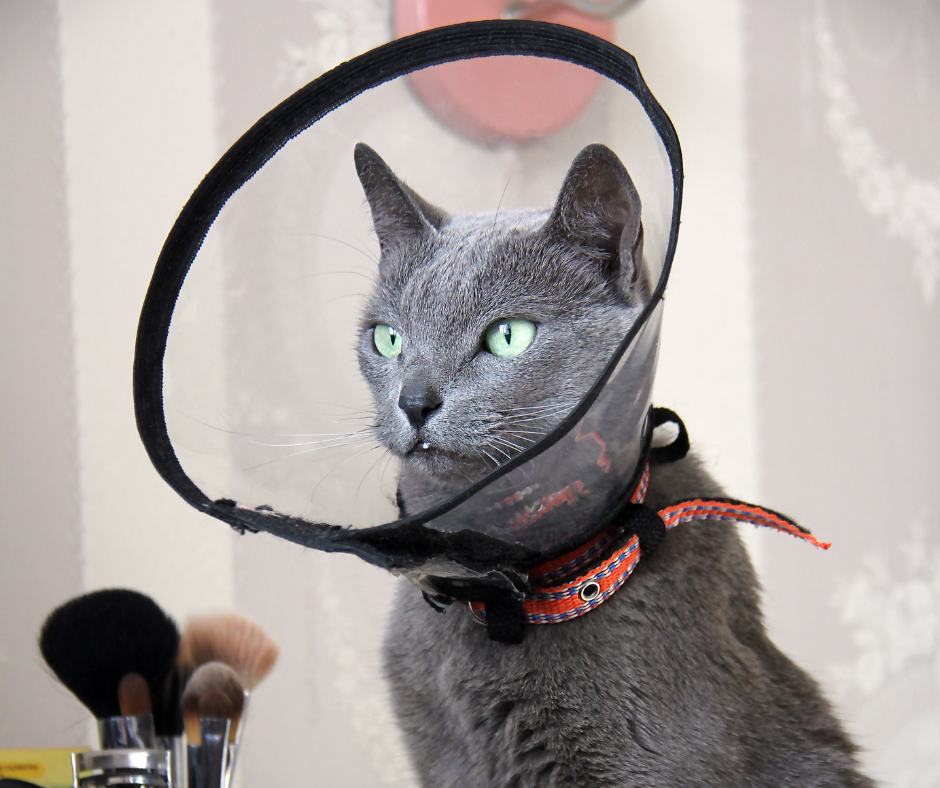
Afterward, most pets need a quiet recovery period. Helpful steps commonly include:
Even if your pet seems back to normal quickly, internal healing takes longer than their energy level may suggest.
Spaying and neutering are not simply routine boxes to check. They are preventive health decisions that can reduce reproductive disease risks, prevent unintended litters, and, in some pets, decrease hormone-driven behaviors. Good veterinary care also recognizes that timing should be based on the individual pet.
If you have questions about whether it is time to spay or neuter your dog or cat, Circle B Veterinary Hospital is here to help. Schedule a wellness or surgical consultation with our team in Katy, Texas, so we can discuss your pet’s age, breed, development, lifestyle, and health and create a plan that feels right for both you and your pet.