NOW OPEN FurEver Veterinary Hospital 605 S Mason Rd, Katy, TX 77450 Now accepting appointments Book Now


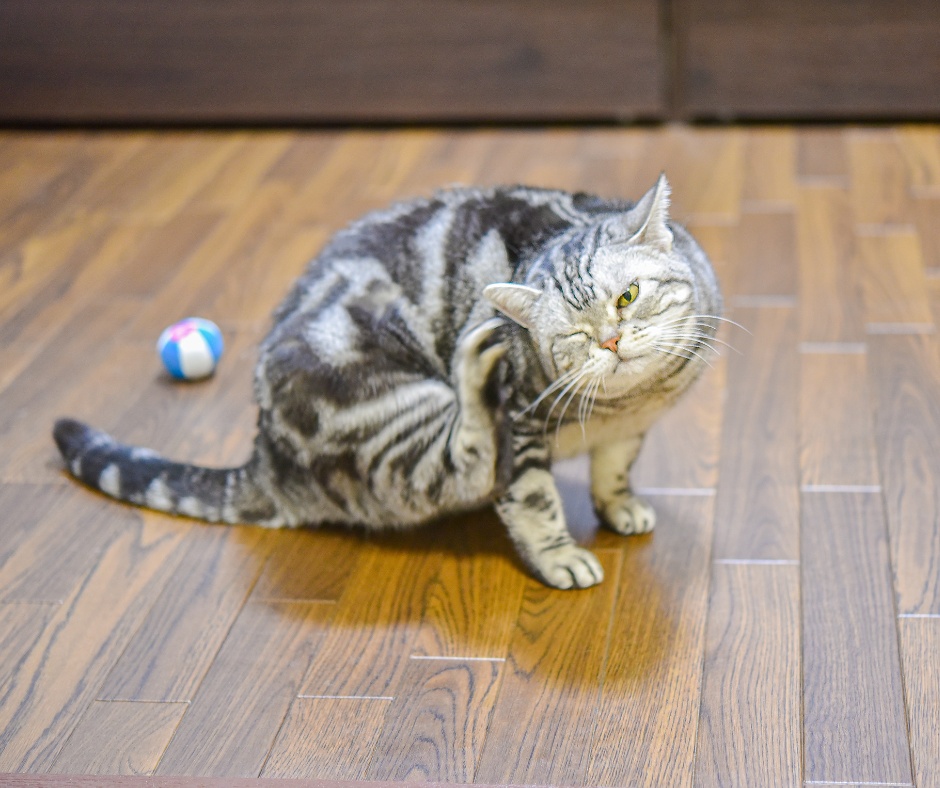
Late summer can be uncomfortable for pets with sensitive skin. By August, dogs and cats in Katy, Texas, have spent months around grass, pollen, humidity, insects, and other irritants. Even pets who seemed comfortable earlier in the season may suddenly begin scratching, licking their paws, shaking their heads, or developing red skin. These symptoms may be new or part of a frustrating yearly pattern.
Occasional scratching is normal, but frequent or intense itching can interfere with sleep, play, appetite, and overall comfort. At Circle B Veterinary Hospital, itchy-skin and ear visits help identify what is driving the problem, treat secondary infections, and create an allergy management plan for the individual pet.
Environmental allergies often build as summer continues. Pollens from grasses and weeds may remain in the environment, while humidity supports mold growth and can make irritated skin feel worse. Pets also bring allergens indoors on their coats and paws.
Allergic pets commonly react through their skin rather than with sneezing and watery eyes, which people associate with allergies. Their immune system responds to ordinary environmental substances as though they are a threat, creating inflammation. Once the skin barrier is weakened, it loses moisture and becomes more vulnerable to irritation.
This creates a cycle. The pet feels itchy, so they scratch, chew, or lick. That repeated trauma damages the skin further, allowing yeast or bacteria to multiply. What began as an allergy flare can quickly become an infection that needs targeted care.
Signs may include:
These symptoms can also come from parasites, food sensitivities, contact irritation, and other medical conditions. An examination is more reliable than trying multiple products without knowing the cause.
The skin lining the ears is affected by allergies just like the skin elsewhere on the body. When that tissue becomes inflamed, the ear canal may become warm and swollen, creating an ideal environment for yeast or bacteria. This is why pets with allergies often experience recurring ear infections, even after a previous infection appeared to clear.
Treating only the infection may provide temporary relief, but the problem is likely to return if the underlying inflammation remains uncontrolled. Repeated infections can become painful and may narrow the ear canal.
During an ear evaluation, your veterinarian can look into the ear canal and examine a sample of debris under a microscope. This helps determine whether yeast, bacteria, mites, or a combination of problems is present. The results guide medication choices and reduce the chance of using an ineffective product.
Cats may show discomfort more subtly than dogs. They may hide, overgroom, develop small scabs around the head and neck, or become sensitive when touched. Any repeated change in grooming or behavior is worth mentioning.
Fleas remain an important concern throughout late summer in Texas. A pet does not need a visible infestation to react strongly. Animals with flea allergy dermatitis can experience severe itching from only a few bites, and fleas may spend much of their life cycle in the home.
Consistent parasite prevention protects pets and removes one major source of uncertainty when evaluating allergies. Your veterinarian can confirm whether the product you use matches your pet’s current weight, age, health, and lifestyle. Indoor pets may still need protection because fleas can enter the home.
Secondary infections also need specific treatment. Yeast and bacterial overgrowth may cause redness, odor, greasy skin, bumps, scabs, or tender areas. Allergy medication alone may not resolve an established infection. Treatment may include oral or topical medication, medicated bathing, ear therapy, and a follow-up examination.
Waiting too long can allow mild irritation to become a painful hot spot or widespread infection. Scheduling an itchy-skin visit early often means faster relief and less intensive treatment.
Allergies are often managed rather than permanently cured, but that does not mean your pet has to remain uncomfortable. A successful plan combines immediate relief with strategies that reduce future flare-ups. At Circle B Veterinary Hospital, care may begin with a detailed history and physical examination, followed by skin or ear diagnostics when needed.
Treatment depends on the cause and severity of the symptoms. Your veterinarian may recommend prescription itch control, treatment for secondary infections, medicated shampoos, parasite prevention, skin-barrier support, or a structured diet trial if food sensitivity is suspected. Some pets need support only during certain months, while others benefit from a year-round plan.
Follow-up care matters because symptoms and triggers can change. Keeping notes about when itching starts, where it appears, and how your pet responds can help your veterinary team recognize patterns. Wiping paws after outdoor time, washing bedding regularly, following bathing instructions, and giving preventives on schedule can also support the plan.
Late-summer itching is more than a nuisance. Persistent scratching, paw licking, overgrooming, and recurring ear infections can affect your pet’s comfort and quality of life. Early care can stop the itch-and-infection cycle before the skin becomes more damaged and the problem becomes harder to control.
If your dog or cat is still itchy this season, Circle B Veterinary Hospital is here to help. Schedule an allergy, skin, or ear checkup with our team in Katy, Texas, so we can identify contributing factors, treat current infections, and create a practical plan that helps your pet feel healthier and more comfortable through late summer and beyond.