NOW OPEN FurEver Veterinary Hospital 605 S Mason Rd, Katy, TX 77450 Now accepting appointments Book Now


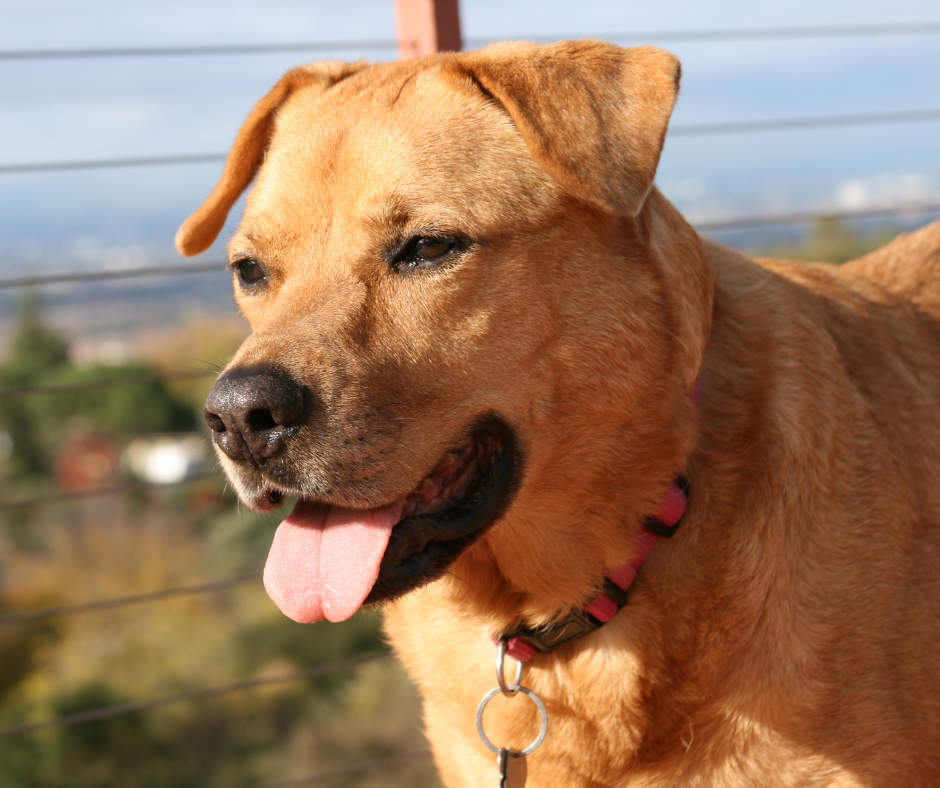
June is when the summer heat starts to feel serious in Katy, Texas. Morning walks get warmer, afternoons become harder to tolerate, and pets who seemed comfortable in spring may suddenly struggle with the rising temperatures. For dogs and cats, heat does not just affect comfort; it can affect hydration, breathing, energy, appetite, mobility, and overall safety. A short walk, a backyard play session, or a quick car ride can become risky when temperatures climb.
Heat safety is especially important before the hottest stretch of summer arrives. A wellness visit at Circle B Veterinary Hospital can help identify health concerns that may make your pet more vulnerable to heat, including excess weight, breathing issues, heart disease, arthritis, or age-related changes. With a little planning now, you can help your pet stay comfortable, hydrated, and protected all season long.
Pets regulate body temperature differently from people. Dogs primarily cool themselves through panting, while cats tend to reduce activity, seek cooler spaces, and groom to help with cooling. Neither system is perfect during extreme heat or humidity. When the air is hot and humid, panting becomes less effective, and body temperature can rise quickly.
Heatstroke is a medical emergency. It can affect the brain, heart, kidneys, digestive system, and blood clotting ability. The scary part is how fast it can happen. A pet may seem fine at the beginning of a walk and become dangerously overheated minutes later, especially on pavement, in direct sun, or during high humidity.
Some pets are at higher risk, including seniors, overweight pets, puppies and kittens, flat-faced breeds, pets with heart or respiratory conditions, and pets with thick coats. That does not mean active, healthy pets are safe from heat illness. It simply means every pet needs a summer safety plan that matches their body, lifestyle, and risk level.
Hydration is one of the simplest ways to support your pet during summer, but it is not just about filling the bowl once a day. Pets may need more water when they are active, stressed, traveling, or spending time outdoors. Dogs should always have access to clean water, and cats may benefit from water fountains, extra bowls around the home, or wet food to increase moisture intake.
Routine changes matter, too. Walks are safest early in the morning or later in the evening, when pavement and air temperatures are lower. Midday exercise should be avoided when possible, especially for dogs who love to run, chase toys, or overdo it. If the pavement feels hot to your hand, it is too hot for your pet’s paws.
A few summer habits can help reduce heat risk:
These steps sound simple, but they can prevent serious heat-related emergencies.
Senior pets often need a little more help during hot weather. An older dog may still want to follow the family outside, but tire more quickly than they used to. A senior cat may seek warm spots but become less resilient when indoor temperatures rise or routines change. Aging pets may also have hidden health conditions that make heat more stressful, including kidney disease, heart disease, arthritis, dental pain, or changes in metabolism.
Because these issues can develop gradually, families may not notice them right away. A senior wellness exam can help uncover early changes through a physical exam, discussion of home habits, and preventive screening when appropriate. Your veterinarian may ask about appetite, thirst, bathroom habits, mobility, coughing, sleep patterns, and energy level. These details can reveal whether your senior pet needs additional support before summer is in full swing.
For older pets, small adjustments can make a major difference. Shorter walks, non-slip flooring indoors, easier access to water bowls, cooling mats, shaded potty breaks, and careful monitoring during outdoor time can all help seniors stay comfortable. If arthritis or pain is limiting movement, your veterinarian can also discuss treatment options that support mobility without pushing your pet too hard in the heat.
Heat stroke is a medical emergency. It happens when a pet’s body temperature rises to a dangerous level, and the body cannot cool down effectively. This can occur from being left in a car, exercising in high heat, spending too long outside, or being in a hot environment without enough shade, water, or airflow.
Warning signs may include:
If you suspect heat stroke, move your pet to a cooler area immediately and contact a veterinarian right away. You can begin cooling with cool, not ice-cold, water and airflow, but do not delay veterinary care. Heat stroke can affect the brain, kidneys, clotting system, and other organs, even if a pet seems to improve at first.
Prevention is always safer than treatment. Avoid hot pavement, skip strenuous midday activity, never leave pets in parked cars, and remember that shade alone may not be enough during extreme Texas heat.
Summer in Katy, Texas, can be wonderful for pets, but it also requires planning. Hydration, weight checks, senior care, heatstroke prevention, and early identification of health concerns all work together to protect your dog or cat before temperatures become more intense. If your pet is due for a wellness visit, weight check, or senior exam, Circle B Veterinary Hospital is here to help. Schedule an appointment with our team this summer so we can review your pet’s health, discuss heat safety, and create a practical plan to keep them cool, comfortable, and safe through the hottest months of the year.