NOW OPEN FurEver Veterinary Hospital 605 S Mason Rd, Katy, TX 77450 Now accepting appointments Book Now

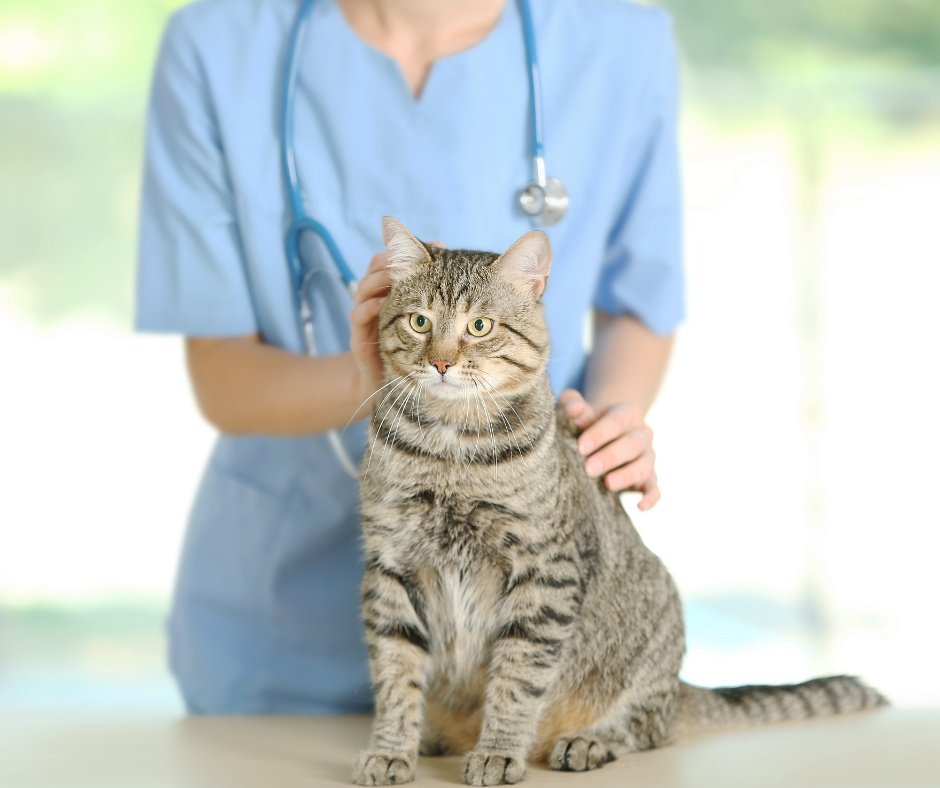
A physical exam can tell your veterinarian a lot. By looking at your pet’s eyes and ears, listening to the heart and lungs, checking the teeth and gums, feeling the abdomen, and evaluating weight, skin, coat, and mobility, your veterinarian gets an important picture of how your pet looks on the outside. But there is another side of health that cannot be seen or felt during an exam: what is happening inside the body.
That is where bloodwork becomes so valuable. Even when a dog or cat appears healthy, laboratory testing can reveal changes in blood cells, organ function, blood sugar, proteins, and other important markers. At Circle B Veterinary Hospital, wellness care includes physical exams and preventive screenings. Establishing bloodwork when your pet is feeling well can also provide something valuable for the future: a personal health baseline.
A thorough physical exam remains one of the most important tools in veterinary medicine. Your veterinarian can identify a heart murmur, abnormal breathing, dental disease, skin problems, lumps, pain, weight changes, dehydration, and many other concerns by carefully examining your pet.
However, pets can be very good at hiding illness. Changes involving the kidneys, liver, metabolism, or blood cells may begin before a dog or cat looks sick. A normal physical exam is reassuring, but it cannot directly show whether internal organ values or blood cell numbers have changed.
Bloodwork adds another layer of information. It does not replace the physical exam; it complements it. Your veterinarian can compare what they see and feel on the outside with what laboratory results suggest is happening internally. When both look healthy, that provides valuable reassurance. When something does not match, bloodwork may provide an early clue that deserves monitoring or additional testing.
One of the biggest benefits of routine bloodwork is establishing what “normal” looks like for your individual pet. Laboratory reference ranges are useful, but every pet is different. A result that technically falls within a normal range may still represent an important change if your pet’s previous numbers were consistently different.
Imagine that your healthy adult dog has routine bloodwork performed during a wellness visit. Everything looks good, and those results become part of the medical record. A year or two later, bloodwork shows that a kidney-related value has changed. Because your veterinarian has earlier results for comparison, they can recognize the trend and decide whether it needs monitoring or further investigation.
That is the value of a baseline. It allows the veterinary team to ask not only, “Is this result within the reference range?” but also, “Is this normal for this particular pet?”
Baselines can become especially helpful as pets age, begin certain medications, develop chronic conditions, or need anesthesia for a procedure. Earlier healthy results create useful context for future decisions.
The exact tests recommended depend on your pet’s age, medical history, symptoms, and reason for testing. Routine bloodwork may include a complete blood count and a chemistry panel, which together provide information about blood cells and several internal body systems.
Depending on the panel, your veterinarian may evaluate:
Bloodwork does not provide every answer on its own. An unusual result may need to be rechecked, interpreted alongside a urinalysis, or followed by imaging or another diagnostic test. Its value is that it gives your veterinarian information that simply is not available from looking at the outside of the body.
At Circle B Veterinary Hospital, preventive care focuses on identifying health concerns early whenever possible. Wellness exams include preventive screenings and personalized recommendations based on each pet’s needs. Bloodwork can be an important part of that broader approach when recommended by your veterinarian.
It may seem unnecessary to run bloodwork when your pet is energetic, eating normally, and acting like themselves. In many ways, though, that can be one of the most useful times to test. When your pet is feeling well, the results can establish a reliable reference point before illness complicates the picture.
Routine bloodwork often becomes increasingly valuable as dogs and cats enter their senior years. Older pets may still appear comfortable while internal changes are beginning. Testing can help your veterinarian decide whether a change should simply be monitored or whether additional diagnostics or treatment would be beneficial.
Bloodwork may also be recommended before anesthesia. Learning more about organ function and blood-cell status helps the veterinary team make informed decisions about anesthesia and monitoring. Pets taking certain long-term medications may also need periodic testing so their veterinarian can watch for changes over time.
Testing frequency should always be individualized. A young, healthy pet may have different needs from a senior pet or one living with a chronic condition.
Your pet can look healthy on the outside while important changes are beginning internally. That does not mean every healthy pet has a hidden illness. It simply means that physical exams and bloodwork answer different questions, and together they can provide a more complete picture of health.
Establishing baseline bloodwork gives your veterinarian valuable information to compare as your pet grows and ages. It can help identify trends and support thoughtful decisions about preventive care, medications, anesthesia, and senior health.
If your dog or cat is due for a wellness exam, ask whether baseline or routine bloodwork would be appropriate for their age and health history. Circle B Veterinary Hospital is here to help families in Katy, Texas, understand what is happening both outside and inside their pets’ bodies. Schedule a wellness visit with our team, and let’s establish a clearer picture of your pet’s health today, so we have a stronger point of comparison for tomorrow.