

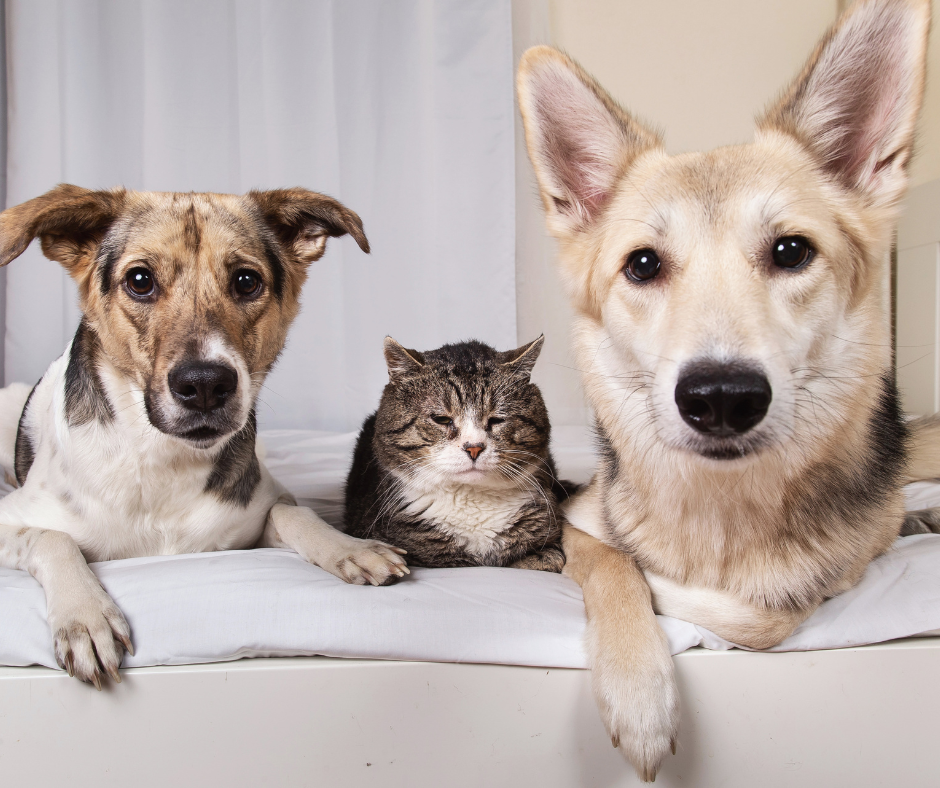
December’s cooler days can reveal stiffness and other subtle signs of pain in aging pets, making it the ideal time to adjust senior care routines. Shorter walks, longer time to rise after naps, or reluctance to jump onto the couch are all gentle nudges that your companion could use extra support. At Circle B Veterinary Hospital in Katy, Texas, we see winter as a chance to fine-tune comfort, small, thoughtful changes that protect mobility, reduce pain, and restore the easy rhythms that help older pets feel safe and happy through the holidays.
Senior dogs and cats are masters at hiding pain. Instead of dramatic limps, you’re more likely to see modest changes that build over weeks. Catching these early gives you and your veterinarian more options with fewer medications and faster relief.
Early clues to watch (short list):
• Stiffness after rest or hesitation on stairs
• Slower walks, shortened stride, or toe dragging
• Irritability when touched over the hips, back, or shoulders
• Paw licking, nail wear, or uneven fur from favoring one side
• Sleeping more, pacing at night, or skipping favorite perches
Context matters. A pet that moves comfortably in the afternoon but hobbles on chilly mornings may be feeling osteoarthritis. Cats who used to vault onto windowsills but now prefer lower spots may be self-limiting to avoid pain. A focused exam, paired with baseline diagnostics when appropriate, can differentiate joint disease from neurologic issues, dehydration, or metabolic changes that also affect mobility.
Modern veterinary medicine offers compassionate, evidence-based tools to keep seniors comfortable without dulling their personalities. Plans are layered intentionally: each piece does a little, so your pet can do a lot.
Start with the fundamentals, accurate diagnosis, and targeted anti-inflammatory therapy when indicated. Add joint nutraceuticals (omega-3s, glucosamine/chondroitin), then consider laser therapy to reduce inflammation and encourage tissue repair. Many pets also benefit from acupuncture, which stimulates natural endorphin release and improves circulation to sore areas. For pets with concurrent conditions, dosing, drug choice, and monitoring are tailored to keep safety front and center.
This is where partnership matters. The medical team at Circle B Veterinary Hospital will help you prioritize what to do first, what to add later, and how to evaluate results. We’ll set clear goals, rising in under five seconds, completing a favorite block with ease, resuming comfortable grooming, and adjusting the plan based on how your pet actually feels at home.
Motion is medicine, when it’s the right amount. Gentle, consistent activity lubricates joints, preserves muscle, and smooths out morning stiffness. In Katy, Texas, most December days allow short, pleasant outings; on colder mornings, swap one long walk for two or three brief ones. Warm up with a few slow minutes, keep terrain even, and end with a calm cool-down to prevent next-day soreness. For cats, think vertical exploration with easy-step shelves, short wand-toy sessions, and puzzle feeders that encourage comfortable movement without leaps.
Your home can do a lot of the heavy lifting for comfort:
Home comfort checklist (short list):
• Orthopedic beds in draft-free spots; add a second bed near family activity
• Non-slip runners on slick floors and a steady rug “path” to food, water, and the yard
• Ramps or pet stairs to favorite couches or low windowsills
• Elevated food and water bowls for pets with neck, shoulder, or elbow pain
Pay attention to paws and nails: long nails change joint angles and can worsen pain, while dry paw pads may slip on tile. Regular trims and a quick paw balm rub can improve traction and confidence. If your pet shivers on cold mornings, a well-fitted coat or sweater takes the edge off without overheating indoors.
A few winter pounds can quietly magnify joint pain. Even modest weight loss, think 5–10%, reduces pressure on hips, knees, and elbows and often improves energy. We’ll calculate a realistic calorie target, discuss satiating, senior-appropriate diets, and pick treat strategies that won’t sabotage progress. Protein quality matters for preserving lean muscle; fiber supports digestive regularity; and omega-3 fatty acids help calm joint inflammation.
Hydration needs attention in cooler months, too. Many seniors drink less when it’s chilly, which can concentrate urine and aggravate kidney issues or arthritis discomfort. Offer multiple water stations, consider a pet fountain, or warm a portion of wet food to increase moisture intake. If dental pain is limiting appetite, addressing oral health can reignite interest in meals and unlock better weight and energy control.
Finally, think “systems,” not just joints. Thyroid changes, diabetes, and blood pressure shifts can masquerade as mobility trouble. Seasonal screening confirms that pain is truly the driver and guides safe choices for medication and activity.
Comfort isn’t only physical; it’s also emotional. Busy holiday schedules, new visitors, and different sleep times can unsettle seniors, especially those with cognitive changes or hearing and vision loss. Keep evening routines predictable: a short walk, medication, and a meal at consistent times, lights dimmed, and white noise or soft music to buffer sudden sounds. Nighttime pacing, panting at rest, or restlessness may signal pain poorly controlled, anxiety, or cognitive dysfunction, all treatable once identified.
Create “success zones”: a warm bed in a quiet room, a night-light for visually impaired pets, and an easily accessible litter box for older cats (low sides, close to sleeping areas). If your pet struggles during gatherings or travel, talk with your veterinarian about pheromones, supplement options, or prescription anxiolytics tested at home before events. The aim isn’t sedation; it’s steady calm, so seniors eat, nap, and greet on their own terms, another place where Circle B Veterinary Hospital can tailor gentle, practical solutions.
Senior pets give us the gift of companionship shaped by years of routine and trust. This December, a handful of thoughtful adjustments, layered pain relief, right-sized movement, a supportive home layout, and nutrition that protects joints can return that gift as comfort, confidence, and easy joy. If you’re noticing stiffer mornings, shortened walks, or subtle behavior changes, contact Circle B Veterinary Hospital in Katy, Texas. We’ll build a plan that fits your home and your pet’s personality, so the season ahead is warm, mobile, and wonderfully shared, one comfortable step at a time.